
Blog
Posted: March 18, 2024
What Gas Is Used For MIG Welding?
The different kinds of welding gases and how to determine the type you need
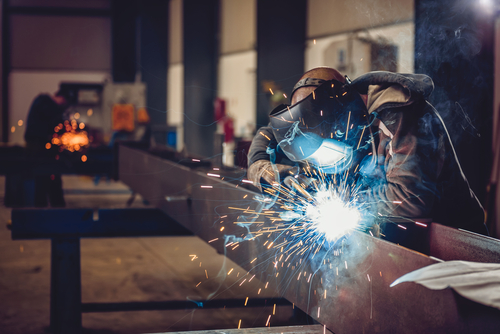 When many of us think of welding, we think of the basics and that is the process of joining materials together with some type of high heat.
While this is certainly a big part of welding, experts know very well that there is much more to the process. That includes knowing which type of welding gas is needed to get specific jobs done.
Choosing the right welding gas
Picking out the type of welding gas that you need is not a one size fits all process.
The first thing to know is that welding gases can be broken down into two categories:
- Inert welding gases: These gases don’t change nor do they instigate change when mixed with other substances
- Reactive welding gases: As opposed to inert welding gases, these gases do in fact change and they make other substances change
Selecting the exact kind of gas that you need depends on a few different elements and various factors, including:
- What metal you are working with: Not every type of metal can be welded by every type of gas. Certain gases work better to help get your welding job done depending on the type of metal you are working with.
- What is available: If there is a shortage on a certain type of gas or if a certain type of gas is not available at all you are going to want to consider sourcing a different gas, especially if you are on a deadline.
- The desired strength of your product: When your finished product needs to be secure, strong and thick as opposed to more flexible, you are going to want a welding gas that will provide this type of finish.
- The appearance of your product: Before selecting a welding gas, think about what you want your finished product to look like since different welding gases will have different affects on your product’s appearance.
- The amount of gas you want to buy: Reactive welding gases allow you to use smaller amounts of gas. Therefore, if you only need a small amount of welding gas for your welding job you may want to think about using a gas that is more reactive.
Here is a look at some of the different types of welding gases that are available:
- Hydrogen: Hydrogen is helpful for the penetration process when it’s mixed with argon and carbon dioxide.
- Nitrogen: Nitrogen is another gas that can help with penetration for the welding process. It can also be used for arc stability when mixed with other gases.
- Argon: This gas is usually used to weld stainless steel, aluminum and carbon steel. Argon is also the basic gas for MIG welding.
- Carbon dioxide: If a welder is looking to give their product a professional looking finish, carbon dioxide mixed with argon is the recommended gas to use.
- Propylene: This gas is most commonly used for non-structural fusion welding, heating and brazing.
- Oxygen: When your are looking for fewer spatters and speed, oxygen is a way to go.
- Acetylene: This gas ignites a very hot flame, which makes it good for cutting and welding most metals.
- Helium: Helium, which uses higher temperatures, works best for welding when it’s combined with argon.
Symank Energy and welding
Symank Energy can help with your welding projects throughout Malone, Madisonville, Cuero and the surrounding Texas areas. Whether you are looking for welding equipment, accessories or advice on which welding gases you should use, you can count on our team of professionals.
Contact Symank Energy today and let us know how we can help with your welding project needs!